
- Click here for AICTE Scholarship/Fellowship Schemes
- Nov/Dec 2025 End Semester Result Published
- 24*7 Women Helpline 9487811004
- Affiliated to Anna University
- Workshop on Artificial Intelligence & Robotics
- Approved by AICTE
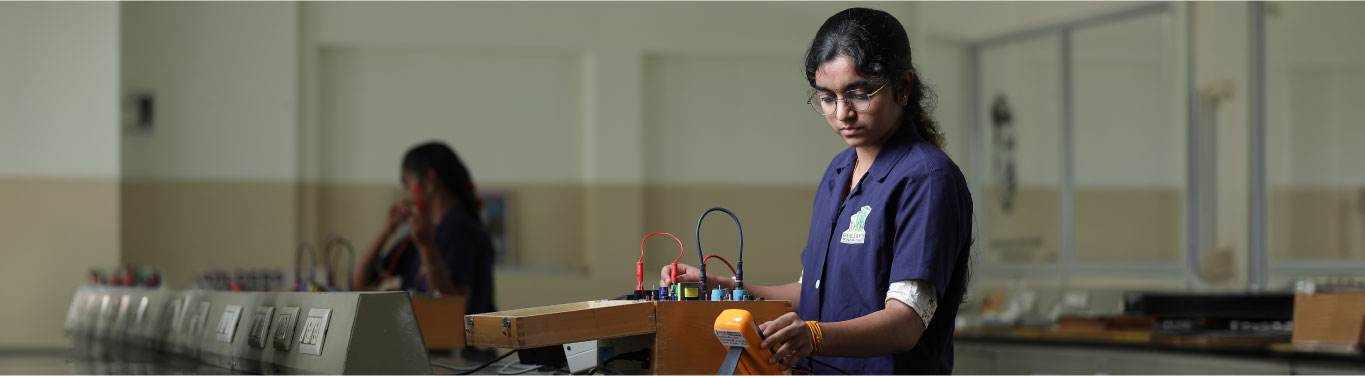
Preparing the next generation of electrical engineers to drive innovation, excel in technical expertise and lead globally.
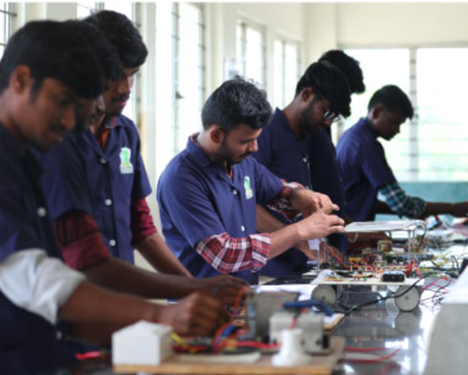
Engage in cutting – edge learning through smart classrooms, hands-on workshops, industrial visits and internships. Empowered faculty and robust partnerships with industry leaders foster comprehensive growth to tackle the worldwide complexities.
The Electrical and Electronics Engineering (EEE) program seamlessly integrates theoretical foundations with hands-on training, empowering students to conceptualize, develop, and enhance the electrical systems and technologies
Tailored courses meeting industry demands, ensuring graduates' relevance and employability in the electrical engineering sector.
Empowering students with immersive learning experiences through cutting - egde labs, smart classrooms, collaborative maker spaces that foster innovation, creativity and digital fluency.
Mentorship by experienced professors and strong ties with industry leaders facilitate comprehensive skill development and job placement.
Electrical & Electronics Engineering encompasses designing, developing, and maintaining electrical systems, electronics, and devices. It's at the forefront of technological evolution, shaping industries from renewable energy to telecommunications and beyond.
Vision: To develop globally competent electrical and electronics engineering graduates with a strong commitment to social development and to engage in creative research and entrepreneurship
Mission:
Intake
Years of Study
| S.No. | Name | Category | Email ID | Position | Address |
|---|---|---|---|---|---|
| 1 | Dr.S.Ramkumar | Faculty Member | [email protected] | Member | Professor, Department of Electrical and Electronics Engineering, Kangeyam Institute of Technology, Kangayam |
| 2 | Dr.P.Nammalvar | HOD | [email protected] | Chairman | Associate Professor, Department of Electrical and Electronics Engineering, Kangeyam Institute of Technology, Kangayam |
| 3 | Dr.C.Vimalraj | Faculty Member | [email protected] | Member | Associate Professor, Department of Electrical and Electronics Engineering, Kangeyam Institute of Technology, Kangayam |
| 4 | Ms.S.Radhika(Sl.Gr) | Faculty Member | [email protected] | Member | Assistant Professor, Department of Electrical and Electronics Engineering, Kangeyam Institute of Technology, Kangayam |
| 5 | Mr.V.Karthi | Faculty Member | [email protected] | Member | Assistant Professor(Sl.Gr), Department of Electrical and Electronics Engineering, Kangeyam Institute of Technology, Kangayam |
| 6 | Ms.M.Yuvarani | Faculty Member | [email protected] | Member | Assistant Professor(Sl.Gr), Department of Electrical and Electronics Engineering, Kangeyam Institute of Technology, Kangayam |
| 7 | Mr.V.Anandhkumar | Faculty Member | [email protected] | Member | Assistant Professor(Sl.Gr), Department of Electrical and Electronics Engineering, Kangeyam Institute of Technology, Kangayam |
| 8 | Mr.R.Sathish | Faculty Member | [email protected] | Member | Assistant Professor(Sl.Gr), Department of Electrical and Electronics Engineering, Kangeyam Institute of Technology, Kangayam |
| 9 | Dr.A.Karuppa Samy | Faculty Member | [email protected] | Member | Assistant Professor(Sl.Gr), Department of Electrical and Electronics Engineering, Kangeyam Institute of Technology, Kangayam |
| 10 | Ms.R. Saranya | Faculty Member | [email protected] | Member | Assistant Professor(Sr.Gr), Department of Electrical and Electronics Engineering, Kangeyam Institute of Technology, Kangayam |
| 11 | Ms.G.Cynthia | Faculty Member | [email protected] | Member | Assistant Professor(Sr.Gr), Department of Electrical and Electronics Engineering, Kangeyam Institute of Technology, Kangayam |
| 12 | Ms.T.Vinitha | Faculty Member | [email protected] | Member | Assistant Professor, Department of Electrical and Electronics Engineering, Kangeyam Institute of Technology, Kangayam |
| 13 | Ms.S.Madhu Bala | Faculty Member | [email protected] | Member | Assistant Professor, Department of Electrical and Electronics Engineering, Kangeyam Institute of Technology, Kangayam |
| S.No. | Name of the Staff | Designation | Profile |
|---|---|---|---|
| 1 | Dr. Ramkumar S | Professor | View Profile |
| 2 | Dr. Nammalvar P | Associate Professor and Head of the Department | View Profile |
| 3 | Dr Vimalraj C | Associate Professor | View Profile |
| 4 | Ms Radhika S | Assistant Professor (Sr.Gr.) | View Profile |
| 5 | Mr. Karthi V | Assistant Professor (Sr.Gr.) | View Profile |
| 6 | Ms. Yuvarani M | Assistant Professor | View Profile |
| 7 | Mr.anandhkumar V | Assistant Professor | View Profile |
| 8 | Mr.sathish R | Assistant Professor (Sl.Gr.) | View Profile |
| 9 | Dr. Karuppa Samy A | Assistant Professor (Sl.Gr.) | View Profile |
| 10 | Ms. Saranya R | Assistant Professor | View Profile |
| 11 | Ms. Cynthia.g | Assistant Professor | View Profile |
| 12 | Ms.vinitha T | Assistant Professor | View Profile |
| 13 | Ms.madhu Bala S | Assistant Professor | View Profile |
Kangeyam Institute of Technology has established MoUs with renowned organizations and industry leaders, facilitating exclusive access to internships, projects, and cutting-edge technologies for our students. These partnerships enhance educational outcomes and career prospects, embedding practical industry insights directly into our curriculum.





















Kangeyam Institute of Technology's Electrical Engineering Club is dedicated to building dreams by providing a platform for students to explore electrical systems, participate in technical challenges, and collaborate on innovative projects.
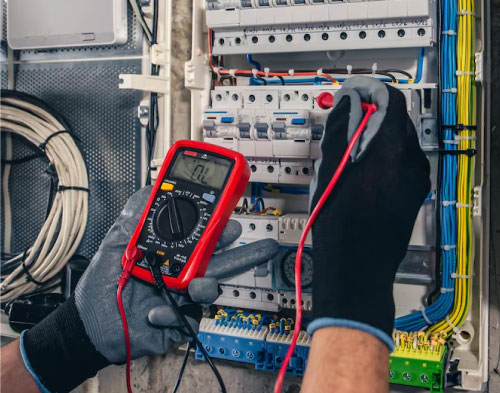
Kangeyam Institute of Technology's B.E. in Electrical and Electronics Engineering nurtures dreams by providing in-depth knowledge and practical skills in electrical systems and electronics, shaping future engineers for the power and automation sectors.
To ensure our students stay at the forefront of industry and research developments, we actively encourage them to join highly reputed professional bodies. This engagement provides invaluable exposure to the latest advancements and networking opportunities in their fields.